
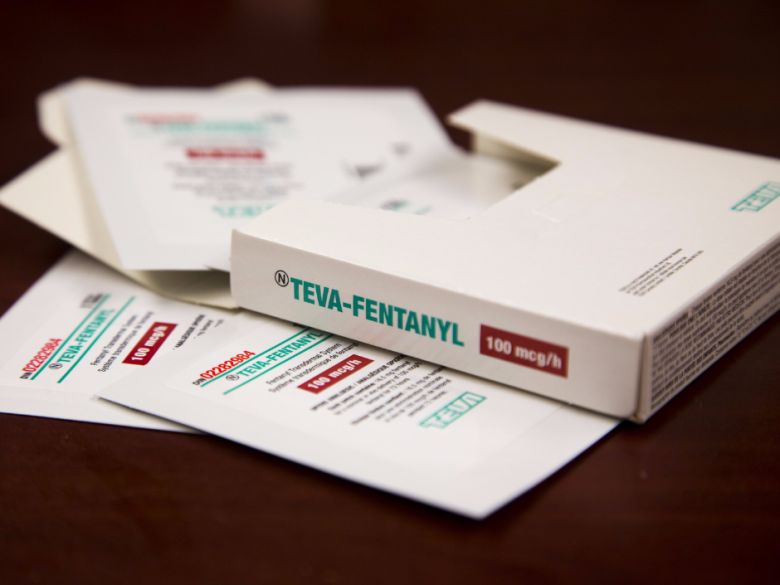

What Is Fentanyl Patch 100 mcg?
Fentanyl Patch 100 mcg refers to a high-strength transdermal fentanyl system that delivers fentanyl through the skin over an extended period. Fentanyl is a potent opioid analgesic used to manage severe pain in appropriately selected patients. It works by changing how the brain and nervous system respond to pain.
Because fentanyl is extremely potent, transdermal fentanyl is not an ordinary pain-relief product and is not appropriate for casual or unsupervised use. The medication carries serious risks involving respiratory depression, misuse, dependence, overdose, and accidental exposure.
The 100 mcg designation identifies the delivery strength of the patch. It should not be interpreted as a universally appropriate dose. Fentanyl patch therapy must be prescribed and individualized by a qualified healthcare professional.
Fentanyl Patch 100 mcg at a Glance
| Feature | Information |
|---|---|
| Active ingredient | Fentanyl |
| Dosage form | Transdermal patch |
| Medication class | Opioid analgesic |
| Primary purpose | Severe pain management in appropriately selected patients |
| Administration | Through the skin |
| Major risks | Respiratory depression, overdose, misuse, dependence |
| Important interactions | Alcohol and certain CNS-depressant medicines |
| Key handling concern | Accidental exposure can be dangerous or fatal |
Fentanyl patches are generally intended for patients who require ongoing opioid treatment for severe pain. MedlinePlus warns that fentanyl patches can cause serious or life-threatening breathing problems, particularly during treatment initiation and following dose increases.
What Is Fentanyl Patch 100 mcg Used For?
Transdermal fentanyl is prescribed to relieve severe pain when a healthcare professional determines that this type of long-acting opioid treatment is appropriate.
Unlike an ordinary tablet taken for occasional discomfort, a transdermal patch continuously delivers medication through the skin. This delivery method means that the medication remains active after application and requires careful attention to prescribed instructions.
Why Is Fentanyl Considered a Potent Opioid?
Fentanyl is a very potent opioid. Its potency makes appropriate patient selection, dosing, monitoring, and storage particularly important.
Prescription opioids can be effective when used under appropriate medical supervision, but misuse—including taking more than prescribed or using medication belonging to someone else—increases the risk of opioid-related harm and overdose.
How Does a Fentanyl Patch Work?
A transdermal fentanyl patch is applied to the skin, where fentanyl is gradually absorbed into the body.
The medication acts on opioid receptors in the central nervous system and changes the perception and response to pain.
Transdermal Delivery
The patch differs from short-acting oral pain medicines because it provides medication through the skin over time.
According to MedlinePlus, fentanyl patches are generally changed every 72 hours according to the prescribed regimen. Patients should follow their own prescription rather than using general timing information as personal dosing instructions.
Fentanyl Patch 100 mcg Dosage Considerations
A 100 mcg fentanyl patch represents a substantial opioid delivery strength and should only be used according to an authorized prescription.
Patients should never determine their own fentanyl patch strength, apply additional patches, change patches more frequently, or modify the patch. MedlinePlus specifically warns against applying more or fewer patches than directed.
Why Individualized Treatment Matters
Fentanyl requirements can differ substantially among patients. A person’s previous opioid exposure, medical history, concurrent medications, and overall health can influence the safety and appropriateness of treatment.
A fentanyl patch should therefore never be treated as interchangeable with another opioid simply because the medicines are both prescribed for pain.
Critical Fentanyl Patch Safety Warnings
Fentanyl patches carry significant safety warnings.
Respiratory Depression
One of the most serious risks is respiratory depression, in which breathing becomes dangerously slow or inadequate.
Potential warning signs include:
- Slow breathing
- Shallow breathing
- Long pauses between breaths
- Shortness of breath
- Extreme sleepiness
- Difficulty waking or responding
Serious breathing problems can occur particularly during the first 24–72 hours of treatment and after an increase in dose.
If these symptoms occur, emergency medical attention is warranted.
Accidental Exposure Fentanyl Patch 100 mcg
Fentanyl patches can be dangerous to people for whom they were not prescribed. Children and other adults can suffer severe or fatal effects after accidental exposure. Even a partially used patch can contain enough fentanyl to cause serious harm.
This makes secure storage and proper disposal especially important.
Heat and Fentanyl Patch 100 mcg
One of the most important precautions associated with transdermal fentanyl concerns external heat.
Extreme heat can cause a fentanyl patch to release medication too quickly, potentially resulting in dangerously high fentanyl exposure. MedlinePlus advises avoiding heating pads, electric blankets, heat lamps, saunas, hot tubs, heated water beds, and other sources of direct heat while wearing the patch.
Patients should also follow the product-specific instructions provided by their healthcare professional and pharmacist.
Why Heat Matters
The basic principle can be represented as:
Fentanyl Patch
      │
      ▼
Normal skin absorption
      │
      ▼
Controlled medication delivery
      │
      ├── Excessive external heat
      │          │
      │          ▼
      │    Increased drug release
      │          │
      │          ▼
      └── Potentially dangerous exposure
This is one reason fentanyl patches should never be treated like ordinary adhesive patches.
Common Side Effects of Fentanyl Patches
Fentanyl patches may cause side effects. MedlinePlus lists effects such as:
- Headache
- Nausea
- Vomiting
- Sweating
- Feeling cold
- Diarrhea
- Difficulty sleeping
- Reduced appetite
- Skin irritation
- Redness or itching at the application site
Patients should contact their healthcare professional if side effects are severe, persistent, or concerning.
Serious Side Effects Fentanyl Patch 100 mcg
Serious symptoms requiring prompt medical attention can include:
- Extreme drowsiness
- Seizures
- Difficulty breathing
- Unusual snoring or prolonged pauses during sleep
- Significant changes in heartbeat
- Severe allergic reactions
- Confusion, agitation, hallucinations, or severe muscle stiffness
These symptoms should not be dismissed as ordinary medication effects.
Fentanyl Patch 100 mcg and Drug Interactions
Fentanyl can interact with other medicines and substances.
Alcohol and Sedating Substances Fentanyl Patch 100 mcg
Alcohol can increase fentanyl-related sedation and breathing problems. MedlinePlus specifically advises against drinking alcoholic beverages while using fentanyl patches.
Certain other medicines can also increase the risk of serious sedation, respiratory depression, or coma. Patients should provide their doctor and pharmacist with a complete list of prescription medicines, nonprescription products, vitamins, supplements, and herbal products they use.
Fentanyl Patch Dependence and Withdrawal
Repeated exposure to fentanyl can result in physical dependence. Dependence means the body has adapted to the medication and may experience withdrawal symptoms if treatment is abruptly stopped.
Possible withdrawal symptoms include:
- Restlessness
- Sweating
- Chills
- Muscle pain
- Anxiety
- Irritability
- Nausea
- Vomiting
- Diarrhea
- Rapid heartbeat
- Difficulty sleeping
Patients using fentanyl regularly should not discontinue treatment abruptly without discussing it with their healthcare professional.
Dependence vs. Addiction
Physical dependence and addiction are not synonymous.
Dependence describes physiological adaptation to a medication. Addiction involves compulsive use and continued use despite harmful consequences. Nevertheless, fentanyl carries a recognized risk of misuse, addiction, and overdose, making careful medical supervision essential.
Fentanyl Patch Storage and Disposal
Fentanyl patches require particularly careful handling.
They should be stored securely and kept away from children and anyone who was not prescribed the medication. MedlinePlus recommends keeping patches in their original packaging, tightly closed, at room temperature, and away from excessive heat and moisture.
Used and unused patches should be disposed of according to current product instructions and applicable medication take-back procedures. Used patches can retain substantial amounts of fentanyl, so they should never be casually left where children, pets, visitors, or other people can access them.
Fentanyl Patch vs. Other Pain Medicines
| Medication type | General role | Key considerations |
| Acetaminophen | Mild to moderate pain/fever | Non-opioid |
| NSAIDs | Pain and inflammation | Different gastrointestinal, kidney, and cardiovascular risks |
| Short-acting opioids | Certain acute or severe pain situations | Opioid-related risks |
| Transdermal fentanyl | Severe pain requiring long-acting opioid therapy | Significant respiratory depression, overdose, dependence, and exposure risks |
No medication is universally best for every type of pain. Treatment decisions depend on the underlying condition, severity and duration of pain, previous treatment, medical history, and individual risk factors.
Frequently Asked Questions About Fentanyl Patch 100 mcg
What is Fentanyl Patch 100 mcg?
Fentanyl Patch 100 mcg refers to a high-strength transdermal fentanyl system. It is a prescription opioid intended for carefully selected patients with severe pain.
Is a 100 mcg fentanyl patch strong?
Yes. Fentanyl is a highly potent opioid, and a 100 mcg transdermal system represents a substantial opioid delivery strength. It should only be used under professional medical supervision.
How long does a fentanyl patch stay on?
MedlinePlus states that transdermal fentanyl patches are generally changed every 72 hours according to the prescribed regimen. Patients should follow their specific prescription and product instructions.
Can fentanyl patches be exposed to heat?
Patients should avoid excessive or direct heat while wearing a fentanyl patch. Heat can cause the patch to release too much medication and potentially result in serious or life-threatening exposure.
Can I cut a fentanyl patch?
No. MedlinePlus specifically warns against using a patch that has been cut, damaged, or altered because doing so can cause most or all of the medication to be released at once, potentially causing overdose and death.
Can I use more than one fentanyl patch?
Only if specifically directed by the prescribing healthcare professional. Patients should never independently add patches or change the prescribed regimen.
Can fentanyl patches cause an overdose?
Yes. Fentanyl overdose can cause severe respiratory depression, extreme sleepiness, unresponsiveness, and death. Accidental exposure can also cause life-threatening poisoning in people who were not prescribed fentanyl.
What should I do if someone may have overdosed on fentanyl?
An apparent opioid overdose is a medical emergency. Emergency medical services should be contacted immediately. If an opioid-overdose rescue medicine such as naloxone or nalmefene is available, it should be used according to its instructions while emergency help is obtained.
Can fentanyl patches cause withdrawal?
Yes. Regular use can result in physical dependence, and suddenly stopping treatment can cause withdrawal symptoms. A healthcare professional should guide any discontinuation or reduction in therapy.
Are fentanyl patches appropriate for occasional pain?
Transdermal fentanyl is intended for specific severe-pain situations requiring an appropriate long-acting opioid approach. It should not be used casually for ordinary or occasional pain.
Final Takeaway Fentanyl Patch 100 mcg
Fentanyl Patch 100 mcg is a powerful prescription transdermal opioid intended for carefully selected patients with severe pain. Its long-acting delivery system can provide sustained medication exposure, but the same potency creates significant safety responsibilities. Fentanyl Patch 100 mcg
The most important considerations include following the exact prescription, avoiding alcohol and potentially interacting medicines unless cleared by a healthcare professional, protecting the patch from excessive heat, preventing accidental exposure, storing it securely, and disposing of used patches correctly.
Fentanyl can cause extraordinary pain-relieving effects, but respiratory depression, overdose, dependence, misuse, and accidental poisoning are serious risks. Current patient guidance emphasizes careful handling and professional supervision.
This information is educational and does not replace a prescription, diagnosis, or individualized medical advice. Patients with questions about fentanyl patch strength, application, interactions, side effects, or discontinuation should consult their physician or pharmacist. Fentanyl Patch 100 mcg
| Quantity | 10 patches, 25 patches, 50 patches, 100 patches, 250 patches |
|---|
Be the first to review “Fentanyl Patch 100 mcg”
Related products
Tramadol

Pain Killers Medications
Pain Killers Medications
Tramadol
Pain Killers Medications

Pain Killers Medications
Dilaudid
Fentanyl
Reviews
There are no reviews yet.