
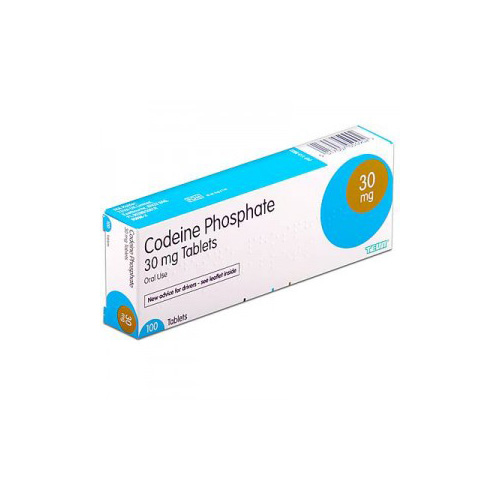
Codeine phosphate 30mg Tablets
Price range: €170.00 through €2,890.00
Codeine phosphate 30mg Tablets offer fast, reliable relief for moderate pain and persistent coughs. Discover clinical guidance, dosage, and safety today.
Codeine Phosphate 30mg Tablets: Clinical Overview, Pain Relief & Product Guide
Managing persistent, moderate pain or an unrelenting dry cough requires a trusted pharmaceutical intervention that delivers consistent clinical results. Codeine phosphate 30mg Tablets stand out as an unrivaled option within the opioid analgesic therapeutic class. Formulated for oral administration, this prescription medication acts directly on central nervous system pathways to alleviate pain and suppress hyperactive cough reflexes.
Whether you are evaluating therapeutic options, reviewing clinical dosage protocols, or seeking clear safety guidance before purchasing Codeine phosphate 30mg Tablets under prescription supervision, this comprehensive guide provides all the necessary details regarding its pharmacology, benefits, usage standards, and safety precautions.
What are Codeine Phosphate 30mg Tablets?
Codeine phosphate 30mg Tablets are oral prescription medications containing 30 milligrams of codeine phosphate, a salt derivative of the naturally occurring opiate alkaloid codeine. It is classified as a mild-to-moderate opioid agonist and centrally acting cough suppressant.
Core Pharmaceutical Profile
-
Active Ingredient: Codeine phosphate
-
Therapeutic Class: Opioid Analgesic / Antitussive
-
Standard Tablet Strength: 30mg per tablet
-
Primary Mechanism: Converts to morphine via hepatic enzymes to bind mu-opioid receptors in the central nervous system.
Primary Medical Indications
Healthcare providers prescribe Codeine phosphate 30mg Tablets across several main clinical applications:
-
Moderate Pain Management: Relief of acute or chronic moderate pain that has not responded adequately to non-opioid analgesics (such as paracetamol or ibuprofen) alone.
-
Persistent Dry Cough: Short-term suppression of non-productive, distressing coughs that interfere with sleep or recovery.
-
Combination Therapy Adjunct: Frequently co-administered or compounded with non-opioid pain relievers to produce synergistic pain-relieving effects.
Pharmacological Mechanism of Action & Metabolism
Understanding how Codeine phosphate 30mg Tablets effectively reduce pain requires examining how the compound is processed within the human body.
+-----------------------------------------------------------------------+
|             CODEINE PHOSPHATE 30MG MECHANISM OF ACTION               |
|                                                                       |
|  [Codeine Phosphate 30mg Ingestion]                                   |
|             |                                                         |
|             v                                                         |
|  [Hepatic Metabolism via CYP2D6 Enzyme Pathway]                       |
|             |                                                         |
|             v                                                         |
|  [Biolgical Conversion into Active Morphine Metabolite]               |
|             |                                                         |
|             v                                                         |
|  [Binds to Mu-Opioid Receptors in CNS & Spinal Cord]                  |
|             |                                                         |
|             v                                                         |
|  [Inhibits Ascending Pain Pathways & Raises Brain Stem Cough Threshold] |
|             |                                                         |
|             +-------------------> Effective Analgesia (Pain Relief)   |
|             +-------------------> Antitussive Effect (Cough Control)  |
+-----------------------------------------------------------------------+
Neurochemical Transformation
Codeine itself possesses relatively weak affinity for opioid receptors. Its therapeutic activity depends primarily on its conversion in the liver by the cytochrome P450 enzyme CYP2D6 into active morphine. Once converted, morphine binds to central mu-opioid receptors, inhibiting the release of nociceptive neurotransmitters and altering the emotional perception of pain.
Pharmacokinetic Properties
-
Absorption: Rapidly absorbed from the gastrointestinal tract following oral administration, with peak plasma concentrations occurring within 1 to 2 hours.
-
Distribution: Widely distributed throughout body tissues; crosses the blood-brain barrier and placenta.
-
Metabolism: Hepatically metabolized via CYP2D6 (to morphine) and CYP3A4 (to norcodeine), followed by glucuronidation.
-
Elimination: Excreted primarily through the kidneys in urine, with an elimination half-life of approximately 2.5 to 3.5 hours.
Comparison of Common Analgesic Formulations
When reviewing pain relief options, clinicians frequently compare Codeine phosphate 30mg Tablets against other standard oral analgesics:
| Feature / Metric | Codeine Phosphate 30mg | Paracetamol 500mg | Tramadol 50mg |
| Drug Class | Opioid Analgesic | Non-Opioid Antipyretic | Synthetic Opioid / SNRI |
| Pain Level Target | Moderate Pain | Mild to Moderate Pain | Moderate to Severe Pain |
| Onset of Action | 30–60 minutes | 30–40 minutes | 30–60 minutes |
| Duration of Effect | 4 to 6 hours | 4 to 6 hours | 4 to 6 hours |
| Cough Suppressant | Yes (High antitussive) | No | No |
| Primary Risk Factors | Constipation, CNS Sedation | Hepatic Toxicity (overdose) | Seizure Risk, Serotonin Syndrome |
Clinical Benefits and Key Advantages
When prescribed and taken strictly according to medical instructions, Codeine phosphate 30mg Tablets offer distinct therapeutic advantages for individuals coping with pain or persistent coughs.
1. Targeted Moderate Pain Relief
Codeine phosphate 30mg Tablets bridge the gap when over-the-counter options like aspirin, paracetamol, or ibuprofen are insufficient to manage pain following dental procedures, minor surgeries, or musculoskeletal injuries.
2. Powerful Dual-Action Utility
Beyond its pain-relieving properties, codeine acts on the cough center in the medulla oblongata, providing dual utility by calming persistent, painful coughing fits alongside physical pain relief.
3. Synergistic Potential
Codeine works exceptionally well in multi-modal pain management protocols. Combining Codeine phosphate 30mg Tablets with peripheral analgesics like NSAIDs or paracetamol provides additive pain control without requiring higher opioid dosages.
Administration Protocols & Dosing Guidelines
Safe and responsible use of Codeine phosphate 30mg Tablets is necessary to ensure maximum clinical efficacy while preventing tolerance or adverse effects.
Dosage Standards for Adults
-
For Moderate Pain: The typical adult dosage is 30mg to 60mg taken every 4 to 6 hours as needed. The maximum daily limit should not exceed 240mg in a 24-hour period.
-
For Cough Suppression: Typically 15mg to 30mg taken 3 to 4 times daily under direct medical instruction.
Essential Usage Rules
-
Administration: Swallow tablets whole with water. They may be taken with or after food to minimize potential stomach upset.
-
Avoid Alcohol & Sedatives: Never consume alcohol or take central nervous system depressants concurrently, as this combination significantly increases the risk of severe respiratory depression.
-
Limit Treatment Duration: Use the lowest effective dose for the shortest duration necessary. Prolonged continuous use increases the risk of physical dependence, tolerance, and constipation.
Comprehensive Frequently Asked Questions (FAQ)
What should I verify before using Codeine phosphate 30mg Tablets?
Consult a licensed healthcare provider to confirm that codeine is safe for your health history, checking specifically for respiratory conditions (like asthma or COPD), renal or hepatic impairment, and potential interactions with other medications.
How fast do Codeine phosphate 30mg Tablets start working?
Codeine phosphate 30mg Tablets generally begin to relieve pain or suppress coughing within 30 to 60 minutes after ingestion, with maximum therapeutic effects occurring within 1 to 2 hours.
Can Codeine phosphate 30mg Tablets cause constipation?
Yes, constipation is a common side effect of opioid medications because they reduce gastrointestinal motility. Maintaining adequate hydration, increasing dietary fiber, or using a mild stool softener can help manage this effect.
What are the main side effects of Codeine phosphate 30mg Tablets?
Common side effects include drowsiness, lightheadedness, dizziness, nausea, vomiting, dry mouth, and constipation. Seek immediate emergency medical care if you experience signs of a severe allergic reaction or severe breathing difficulties.
How should Codeine phosphate 30mg Tablets be stored?
Store tablets in their original packaging at room temperature between 68°F and 77°F (20°C to 25°C), protected from light and moisture, and securely locked away from children and unauthorized individuals.
| Quantity | 100 tablets, 200 tablets, 500 tablets, 1000 tablets, 5000 tablets |
|---|
Be the first to review “Codeine phosphate 30mg Tablets”
Related products

Codeine phosphate
Reviews
There are no reviews yet.