
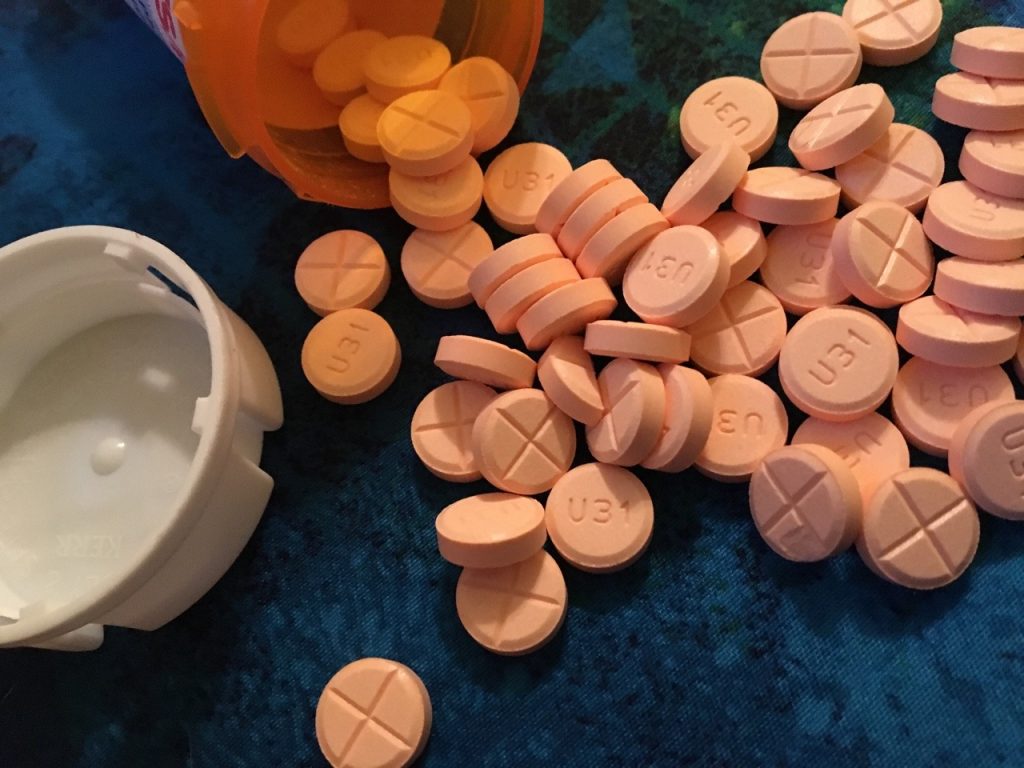
Adderall 30mg

Price range: €225.00 through €1,620.00
Adderall 30mg is a high-dose prescription central nervous system stimulant containing a balanced combination of amphetamine and dextroamphetamine salts. Widely prescribed for the management of Attention Deficit Hyperactivity Disorder (ADHD) and narcolepsy, it works by adjusting natural neurotransmitters in the brain to enhance focus, task completion, and behavioral control.
What is Adderall 30mg?
Adderall 30mg is a high-potency prescription medication belonging to the central nervous system (CNS) stimulant class. It consists of a specific combination of four distinct amphetamine salts in equal proportions:
-
Dextroamphetamine saccharate
-
Amphetamine aspartate monohydrate
-
Dextroamphetamine sulfate
-
Amphetamine sulfate
Together, these active ingredients yield a 3:1 ratio between dextroamphetamine and levoamphetamine. Dextroamphetamine acts primarily on the central nervous system to enhance cognitive focus and motivation, whereas levoamphetamine provides peripheral nervous system effects that help sustain wakefulness and alertness.
Because of its high potential for abuse, physical dependence, and diversion, Adderall is classified as a Schedule II controlled substance by federal health and regulatory agencies. A 30mg dosage represents the upper spectrum of standard single-dose treatments prescribed by healthcare providers, typically reserved for adults or older adolescents who require strong therapeutic support to manage their symptoms.
Formulations: Immediate-Release (IR) vs. Extended-Release (XR)
Adderall 30mg is available in two distinct oral formulations, each designed for specific therapeutic schedules:
-
Adderall 30mg Immediate-Release (IR):
-
Visual Profile: Typically manufactured as a round, peach, or orange tablet, often scored down the middle to allow splitting if directed by a physician.
-
Mechanism: Dissolves rapidly in the gastrointestinal tract. Peak plasma concentration occurs within 3 hours.
-
Duration of Action: Provides active symptom relief for approximately 4 to 6 hours. Patients managing full-day symptoms are often prescribed split dosing throughout the day under strict medical guidance.
-
-
Adderall XR 30mg Extended-Release:
-
Visual Profile: Formulated as a hard-shell capsule (frequently clear and orange or blue-tinted depending on the generic manufacturer) filled with small, coated beads.
-
Mechanism: Utilizes a specialized double-beaded delivery mechanism. Approximately 50% of the beads release their active medication immediately upon ingestion, while the remaining 50% are coated with a delayed-release barrier that dissolves roughly 4 hours later.
-
Duration of Action: Delivers a smooth, continuous therapeutic effect lasting up to 10 to 12 hours, eliminating the need for mid-day dosing during work or school hours.
-
What are the Effects of Adderall 30mg?
Mechanism of Action in the Brain
Adderall alters the concentration of two primary chemical messengers—neurotransmitters—in the prefrontal cortex and extrapyramidal regions of the brain:
-
Dopamine: Responsible for regulating reward pathways, motivation, motor control, and impulse regulation. Adderall blocks the reuptake of dopamine back into presynaptic neurons while simultaneously pushing stored dopamine out into the synaptic cleft.
-
Norepinephrine: Regulates alertness, arousal, executive functioning, and cardiovascular tone. By increasing available norepinephrine, Adderall sharpens mental processing speed and heightens vigilance.
+-----------------------------------------------------------------------+
|                       MECHANISM OF ACTION                             |
|                                                                       |
|  [Presynaptic Neuron]  ---> Releases Dopamine & Norepinephrine        |
|                                  |                                    |
|                                  v                                    |
|  [Adderall 30mg]       ---> Blocks Reuptake Transporters (DAT & NET)  |
|                             & Triggers Extra Neurotransmitter Release |
|                                  |                                    |
|                                  v                                    |
|  [Synaptic Space]      ---> Elevated Concentration of Dopamine/NE     |
|                                  |                                    |
|                                  v                                    |
|  [Therapeutic Outcome] ---> Improved Focus, Alertness, & Motivation  |
+-----------------------------------------------------------------------+
Physiological and Psychological Side Effects
While 30mg provides significant therapeutic value, a dose of this strength also carries noticeable biological effects across the body.
Common Mild Side Effects:
-
Gastrointestinal: Decreased appetite (anorexia), dry mouth (xerostomia), nausea, stomach upset, or mild weight loss.
-
Central Nervous System: Restlessness, mild nervousness, insomnia, headaches, and feeling jittery.
-
Cardiovascular: Mild increases in blood pressure and heart rate, cold feeling in fingers or toes (Raynaud’s phenomenon).
Serious Potential Side Effects (Require Immediate Medical Attention):
-
Severe Cardiovascular Events: Palpitations, chest pain, shortness of breath, or fainting. High-dose stimulants can precipitate severe cardiac events, especially in individuals with structural heart abnormalities.
-
Psychiatric Disturbances: New or worsening psychosis, manic behavior, unexpected aggression, severe paranoia, or visual and auditory hallucinations.
-
Circulatory Impairment: Numbness, pain, or skin color changes (from pale to blue to red) in fingers and toes.
-
Serotonin Syndrome: A potentially life-threatening condition that can occur when Adderall is combined with standard serotonergic agents (such as SSRIs, SNRIs, or MAOIs), manifesting as hyperthermia, muscle rigidity, and confusion.
What are the Benefits and Advantages?
When prescribed and monitored correctly by a licensed physician, Adderall 30mg offers clear clinical benefits for individuals with diagnosed neurodevelopmental or sleep disorders.
How to Consume Adderall 30mg
Proper administration of Adderall 30mg is critical to maximize therapeutic benefit while minimizing side effects such as severe nighttime insomnia and cardiovascular stress.
1. Administration Guidelines
-
Morning Dosing: Take your dose early in the morning upon waking. Taking Adderall 30mg after 12:00 PM (noon)—especially the XR formulation—frequently causes sleep disruption and severe insomnia due to its long elimination half-life (10 to 13 hours).
-
Consuming Tablets (IR): Swallow the tablet whole with a glass of water. If your doctor explicitly recommends a lower starter dose, scored IR tablets may be split along the dividing line using a clean pill cutter.
-
Consuming Capsules (XR): Swallow the capsule whole with water. Do not crush, chew, or split the capsule, as breaking the outer shell destroys the timed-release mechanism and releases 30mg of amphetamine into your bloodstream all at once, leading to an intentional or accidental overdose risk.
-
Alternative Administration for XR (Applesauce Method): If you experience difficulty swallowing capsules:
-
Open the Adderall XR 30mg capsule carefully.
-
Sprinkle the intact internal beads completely over a single tablespoon of cool, soft applesauce.
-
Consume the entire mixture immediately without chewing the beads.
-
Follow with a glass of water to ensure all beads are swallowed.
-
+-----------------------------------------------------------------------+
|                    DOSE ADMINISTRATION CHECKLIST                      |
|                                                                       |
|  [X] Take early in the morning (preferably before 9:00 AM).           |
|  [X] Swallow whole with a full glass of water.                        |
|  [X] Avoid acid-heavy beverages (orange juice) 1 hour before/after.   |
|  [X] Never crush, chew, or heat extended-release (XR) beads.          |
|  [X] Store safely at room temperature away from moisture and heat.     |
+-----------------------------------------------------------------------+
2. Dietary Considerations and Drug Interactions
Dietary composition significantly alters how your body absorbs and processes amphetamines:
-
Acidic Foods and Vitamin C: Juices high in Vitamin C (orange, grapefruit), sodas, and ascorbic acid supplements increase stomach acidity, causing Adderall to pass through the body without fully absorbing. Avoid consuming acidic foods or beverages within one hour before or after taking your dose.
-
Alkalizing Agents: Antacids containing sodium bicarbonate or aluminum hydroxide reduce stomach acid, significantly increasing Adderall absorption and potentially causing an unexpected spike in drug potency.
-
Food Timing: Adderall can be taken with or without food. However, taking it alongside a heavy, high-fat breakfast may delay the initial onset of the medication by up to one to two hours.
3. Handling Missed Doses and Overdose Risks
-
Missed Dose Protocol: If you forget your morning dose and remember before late morning, take it right away. If you do not remember until afternoon, skip the missed dose entirely and resume your regular schedule the following morning. Never double up doses to make up for a missed pill.
-
Recognizing Overdose: Signs of an accidental amphetamine overdose include extreme restlessness, rapid breathing, hyperreflexia, uncontrollable shaking, confusion, hallucinations, high fever, dark urine (rhabdomyolysis), irregular heartbeat, or loss of consciousness. Seek emergency medical services (911) immediately if an overdose is suspected.
4. Safe Storage and Disposal Adderall 30mg
Because Adderall is a Schedule II controlled drug, maintaining secure physical control of your medication is legally and practically essential: Adderall 30mg
-
Storage Environment: Store at controlled room temperature—between 68°F to 77°F (20°C to 25°C)—in a dry place out of direct sunlight. Keep away from humid environments like bathroom medicine cabinets.
-
Security: Keep the medication in a locked box or secure cabinet away from children, visitors, and housemates to prevent accidental ingestion or theft.
-
Proper Disposal: Do not flush unused medication down the toilet unless explicitly instructed by official drug disposal guidelines. Utilize local pharmacy drop-off boxes or community take-back programs for safe disposal.
Conclusion
Adderall 30mg is an effective, clinically proven therapeutic option designed to help individuals with ADHD and narcolepsy manage core symptoms, improve executive control, and sustain daily productivity. However, its high potency and status as a Schedule II controlled substance require strict adherence to prescribed medical guidelines.
To ensure safe, long-term therapeutic success, always take Adderall 30mg under the active supervision of a licensed medical practitioner. Never adjust your dosage, split extended-release capsules, or share your medication with others. By combining proper administration timing, careful dietary management, and routine medical check-ups, patients can maximize the clinical benefits of Adderall while minimizing health risks and adverse side effects. Adderall 30mg
| Quantity | 100 tablets, 200 tablets, 300 tablets, 500 tablets, 1000 tablets |
|---|
Be the first to review “Adderall 30mg”
Related products

Adderall
Adderall

Adderall

Adderall

Adderall

Adderall

Adderall

Adderall
Reviews
There are no reviews yet.